
Write down the calculation question
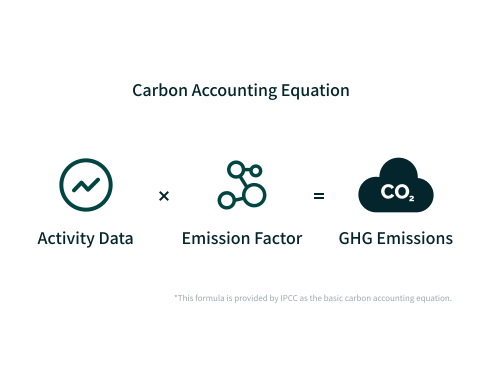
Describe the activity in plain language before searching a database. Identify what was bought, consumed, transported or produced; the quantity and unit; the relevant location and period; and the calculation boundary. For a material purchase, record the grade or production route if known. For energy, identify what the source record measures. These details help a reviewer distinguish a real match from a factor that merely shares a keyword.
Create a short selection brief for each important activity category. Ask the methodology owner to confirm what emissions the selected factor needs to represent. A company inventory and a product life cycle study may ask different questions about the same physical transaction. GHG Protocol publishes separate standards and guidance for these accounting contexts. Decide the context first, then document how the factor fits it. A database search should support that decision rather than silently define the study for you.
Inspect the unit and boundary together
Read the factor description alongside its unit. Ask whether the activity quantity can be converted to that unit using information you actually possess. A mass-based factor cannot be applied confidently to an item count without an appropriate mass relationship. Record each conversion, its source and any assumption involved. If the conversion depends on product-specific information, request that information instead of borrowing an unexplained value from another product.
Next inspect what the factor includes and excludes. Ask whether additional processing, transport or other stages are represented elsewhere in the model. The purpose is to avoid gaps and overlaps in your calculation, not to choose the factor with the longest description. Maintain a brief explanation of the boundary match. If the database description is unclear, ask the provider for clarification and preserve the response with the selection record so the reviewer can follow the decision later.
Check geography, time and technology
Compare the factor's stated context with the activity record. A factor may refer to a different geography, production process or period. That does not automatically make it unusable, but the difference needs evaluation. Ask the methodology owner which mismatches matter most for the calculation and what evidence would improve the choice. Keep the decision visible, especially where a factor is being used as a proxy.
The GHG Protocol data quality framework considers technological, temporal and geographical representativeness alongside completeness and reliability. Use those dimensions as questions during supplier evaluation rather than treating database coverage as a single score. Request examples from the locations and processes you actually need. A large international collection may still have gaps for a specialized material, while a locally relevant dataset may better describe a particular process. The decision rests on the evidence for the activity, not on the total number of records advertised.
Ask for source and version information
For candidate factors, request a source reference, version or publication identifier, applicable unit and explanatory documentation. Record how the factor was selected and who approved it. If a platform recommends a match, ask whether your reviewer can inspect the evidence behind that recommendation. A recommendation is useful when it makes the selection easier to assess, rather than requiring the team to accept an unexplained output.
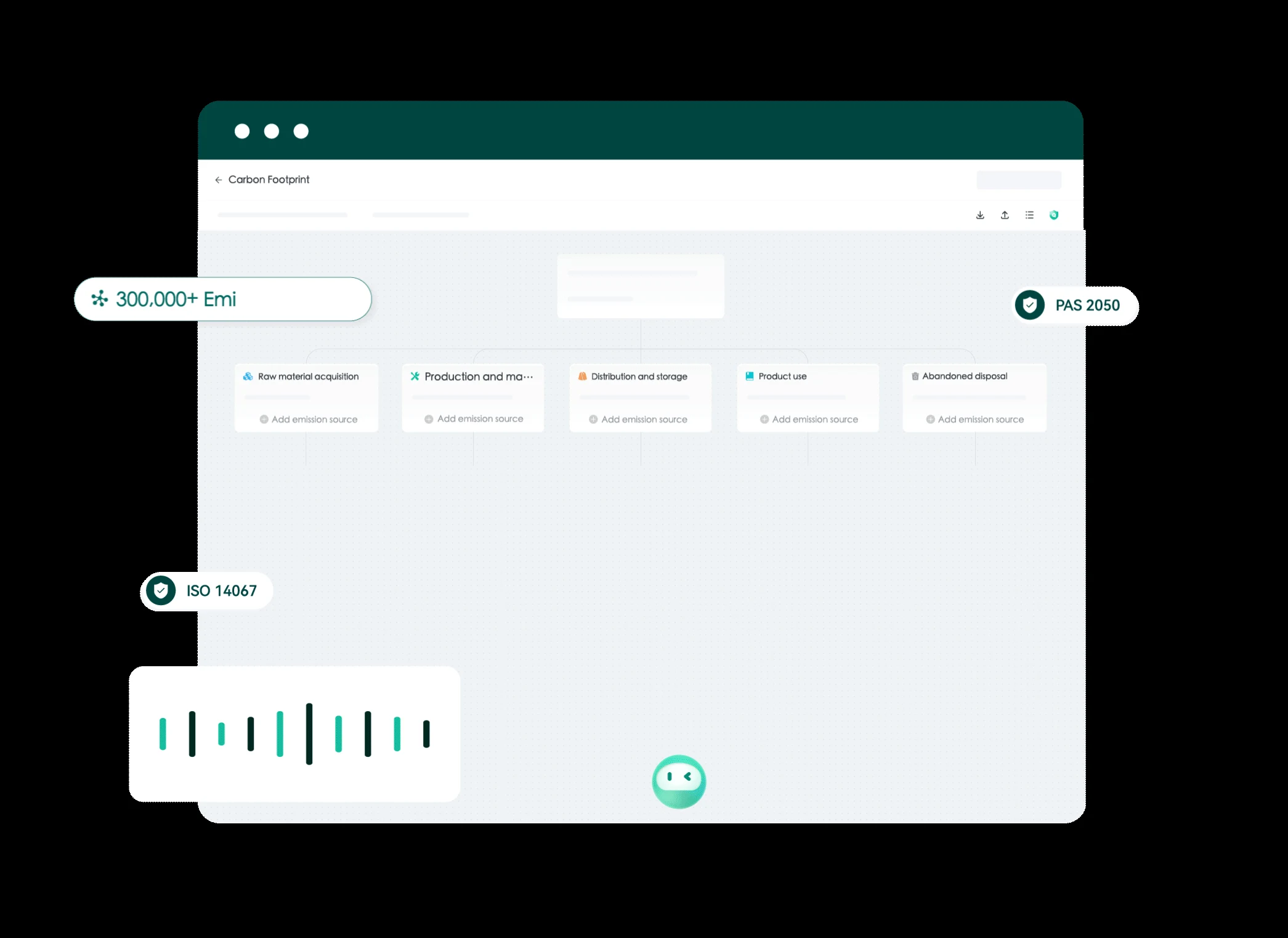
Carbonstop describes Carbon Agent as recommending factors with source and version information and using confirmed models in its workflow. Review the Carbon Agent page and ask the team to demonstrate that process with a relevant sample. Confirm what is retained in the proposed implementation and what can be shared with your reviewer. These demonstration questions are suggested procurement checks; they do not extend the published product description into a guarantee about every export, permission setting or review arrangement.
Evaluate coverage with a realistic sample
Create a shortlist containing routine activities and difficult cases. Include a common fuel, an important purchased material and a process for which your current data is weak. Supply enough context for the provider to explain candidate matches. Ask the provider to identify any uncertainty and to distinguish a direct match from a proposed substitute. Record unanswered questions as part of the evaluation rather than treating every returned search result as successful coverage.
Carbonstop describes CCDB as covering more than 300,000 emission factors, more than 200 countries and regions, and more than 20 industries. It also highlights China data, scenario descriptions and uncertainty analysis. Use these published characteristics to frame a conversation about CCDB, then assess the relevant records themselves. Ask about dataset access, documentation and review support for your scope. The figures do not establish universal coverage or unrestricted use of every underlying source.
Plan for gaps without hiding them
When an exact match is unavailable, write down what is missing and the alternatives under consideration. Ask a qualified reviewer to assess a substitute, additional supplier research or a different data collection approach. Explain why the chosen path is reasonable for the purpose of the study and where it limits interpretation. Keep an owner and a follow-up action for an important unresolved gap.
You can also ask the project team to examine whether reasonable alternative factor choices would materially change a decision. This is a suggested analytical exercise, not a promised platform feature or a prescribed universal test. It can help focus data improvement on assumptions that matter most. Avoid spending extensive effort refining a minor input while leaving a major material category unexplained. Document the prioritization so a later reviewer understands why the team pursued some gaps before others.
Agree licensing and update practices
Ask what your license allows you to retain, export and share. Your organization may need to provide a calculation explanation to a customer or independent reviewer without redistributing an underlying commercial dataset. Clarify that distinction before purchasing access. Identify whether source records, calculated results and supporting metadata have different usage conditions. Ask the provider to point to the applicable terms and document any project-specific agreement.
Then discuss how updates are handled. Ask how your team will know that a source has changed and how past calculations can remain traceable to the version originally used. Decide with the methodology owner when an update should trigger review or recalculation under the applicable reporting approach. Do not assume that automatically replacing every historical factor improves comparability. A change log and a clear approval decision are practical safeguards for understanding why a reported result moved between versions.
Turn selection into a repeatable review
Maintain a factor register containing the activity description, chosen factor reference, unit, version, rationale and reviewer. Add the source of any unit conversion and a note on known mismatches. Connect the register to the calculation evidence using your organization's document controls. The objective is for another person to understand the selection without interviewing everyone involved in the original project.
If you are evaluating a broader accounting system, explore Ccloud and ask how your proposed factor review process would work in the agreed deployment. For help defining methodology or resolving difficult selections, discuss carbon management services. Bring a sample register and several unresolved activities to the conversation. A useful proposal should distinguish data access from implementation and professional review, helping you buy the support needed for your actual calculations rather than a generic list of database features.
Questions, answered.
Is the newest emission factor always the right one?
No. Evaluate its period, geography, technology, boundary and relevance to the activity. The appropriate choice depends on the study and reporting approach; document the decision rather than selecting solely by publication date.
Can a factor recommended by AI be used without checking it?
A reviewer should confirm the activity match, unit, source, boundary and version. A recommendation can help identify candidates, but it does not remove responsibility for the final methodological choice.
Does database access allow me to redistribute its records?
That depends on the applicable license. Ask separately about internal calculations, retaining evidence, sharing results and distributing source records. Do not infer redistribution rights from a platform subscription.
- GHG Protocol: Reliable emission factor sources and data quality ↗
- GHG Protocol: Accounting standards and guidance ↗
- Carbonstop: CCDB coverage and highlights ↗
- Carbonstop: Carbon Agent factor recommendations ↗
Product information reviewed October 2026. Discuss project scope and current availability with our team.